Jamaica faces two of the most pressing infrastructure challenges in the Caribbean: reliable water distribution and sustainable energy supply. The National Water Commission (NWC) struggles with staggering water losses that exceed 60 percent of treated water, while Jamaica Public Service (JPS) manages an energy grid that must balance growing demand with ageing infrastructure and the transition to renewable sources. These are not abstract policy challenges; they are daily realities for Jamaican families and businesses who experience water lock-offs, inconsistent supply, high electricity bills, and the economic drag of unreliable utilities. Artificial intelligence offers a transformative set of tools to address these challenges, and the time to deploy them is now.
The scale of the opportunity is enormous. Jamaica spends hundreds of millions of dollars each year on water treatment and energy generation, yet significant portions of these investments are lost to inefficiency, leakage, theft, and outdated infrastructure. AI can dramatically reduce these losses by introducing intelligent monitoring, predictive maintenance, and optimization systems that work around the clock. For a country that has committed to sustainable development through Vision 2030, AI-powered infrastructure management is not a luxury but a necessity for achieving national goals.
NWC and the Water Loss Crisis: How AI Can Help
The National Water Commission's challenge with non-revenue water (NRW) is one of the most significant infrastructure issues facing Jamaica. Non-revenue water refers to treated water that is produced but never generates income for the utility, whether lost through physical leaks in the distribution network, inaccurate metering, or illegal connections. Jamaica's NRW rate exceeds 60 percent, meaning that for every 100 litres of water the NWC treats and pumps into the distribution network, more than 60 litres are lost before reaching a paying customer. This rate is among the highest in the world and represents an enormous economic and environmental cost.
AI offers a comprehensive approach to tackling NRW. Machine learning algorithms can analyse flow data from sensors throughout the distribution network to identify anomalies that indicate leaks, breaks, or unauthorized connections. Traditional leak detection methods involve crews walking along pipelines with acoustic sensors, a slow and labour-intensive process that can only cover a fraction of the NWC's extensive network at any given time. AI-powered systems can monitor the entire network simultaneously, detecting pressure drops, flow irregularities, and consumption pattern anomalies that suggest water is being lost somewhere in the system.
The power of AI in this context lies in its ability to process vast amounts of data from multiple sources simultaneously. An AI system monitoring the NWC's network can correlate flow meter readings, pressure sensor data, weather conditions, time-of-day consumption patterns, and historical maintenance records to pinpoint not just where leaks are occurring but where they are likely to occur next. This predictive capability is transformative because it allows the NWC to shift from reactive maintenance, fixing pipes after they burst, to proactive maintenance, repairing or replacing pipes before they fail. The economic benefits of this shift are substantial, as preventing a pipe burst is far less expensive than the emergency repairs, water loss, and customer disruption that result from one.
District Metered Areas and AI Analytics
One proven approach to NRW reduction that AI can supercharge is the use of District Metered Areas (DMAs). By dividing the distribution network into defined zones with measured inputs and outputs, utilities can identify which areas have the highest losses and prioritize intervention. AI takes this approach to the next level by continuously analysing DMA data, identifying trends, and automatically flagging zones where losses are increasing. Machine learning models can learn the normal consumption patterns for each DMA and detect deviations that indicate new leaks, illegal connections, or metering errors. For the NWC, which serves communities across fourteen diverse parishes with varying infrastructure conditions, this AI-powered DMA analysis provides the granular visibility needed to allocate limited repair resources where they will have the greatest impact.
JPS and AI for Grid Optimization
Jamaica Public Service Company, the island's primary electricity provider, faces its own set of complex challenges. Managing an electricity grid that serves the entire island requires balancing supply and demand in real time, maintaining ageing transmission and distribution infrastructure, integrating increasing amounts of renewable energy, and managing commercial losses from electricity theft. AI is providing JPS and similar utilities worldwide with powerful tools to address each of these challenges.
Demand forecasting is one of the most impactful applications of AI for grid management. Machine learning models can predict electricity demand with remarkable accuracy by analysing historical consumption data, weather forecasts, economic indicators, special events, holidays, and even social media signals. For JPS, accurate demand forecasting means better planning of generation resources, reduced need for expensive peak-load generation, and fewer instances of supply shortfalls that lead to load shedding. During hurricane season, AI models can predict the impact of approaching storms on both demand patterns and infrastructure vulnerability, enabling proactive preparations that reduce outage duration and improve restoration speed.
Grid fault detection and diagnosis is another area where AI delivers significant value. Sensors throughout the transmission and distribution network generate continuous streams of data about voltage levels, current flows, transformer temperatures, and line conditions. AI algorithms can analyse this data in real time to detect developing faults before they cause outages. A transformer showing an unusual temperature pattern, a distribution line experiencing intermittent voltage fluctuations, or a substation displaying anomalous load patterns can all be flagged by AI systems for inspection before they fail catastrophically. This predictive approach to grid maintenance reduces both the frequency and duration of power outages, improving service reliability for Jamaican homes and businesses.
Smart Metering and Consumption Prediction
Smart metering is a foundational technology for AI-powered water and energy management, and its deployment across Jamaica would unlock significant benefits for both utilities and consumers. Smart meters provide granular, real-time data on consumption that enables AI systems to identify patterns, detect anomalies, and provide actionable insights.
For water management, smart meters can detect consumption patterns that indicate leaks on customer premises, often before the customer is even aware of the problem. A smart meter that registers continuous flow during hours when no one is typically using water can trigger an AI alert that saves the customer from a large bill and prevents water waste. AI can also identify meters that are malfunctioning or underregistering consumption, a significant source of commercial water loss for the NWC.
For electricity, smart meters enable time-of-use pricing that AI can optimize to benefit both JPS and consumers. AI algorithms can analyse a household's consumption patterns and recommend shifting certain activities, such as running water heaters, washing machines, or air conditioning, to off-peak hours when electricity is cheaper to generate. Over time, these AI-driven consumption optimizations can flatten demand curves, reduce the need for expensive peak generation, and lower electricity costs for Jamaican households and businesses.
Smart metering data also enables AI-powered theft detection. By comparing metered consumption with billing data and identifying statistical outliers, AI can flag locations where electricity or water is likely being consumed without being properly measured or paid for. In Jamaica, where utility theft contributes significantly to both NRW and commercial electricity losses, these AI detection capabilities can recover substantial revenue that can be reinvested in infrastructure improvements.
Renewable Energy: AI Optimizing Solar Farms and Beyond
Jamaica has committed to increasing its renewable energy capacity, and AI is proving essential for optimizing the performance and integration of renewable sources. Solar installations like Content Solar and Eight Rivers Energy represent significant investments in Jamaica's clean energy future, and AI is maximizing the return on these investments through intelligent operation and maintenance.
AI optimizes solar farm performance in several ways. Machine learning models can predict solar irradiance based on weather data, cloud cover forecasts, and atmospheric conditions, allowing operators to anticipate generation output hours or days in advance. This predictive capability is crucial for grid operators who need to plan backup generation to cover periods of low solar output. AI can also optimize the positioning of solar tracking systems, adjusting panel angles throughout the day to maximize energy capture based on real-time conditions rather than fixed schedules.
Maintenance optimization is another key benefit. AI-powered image analysis using drones can inspect solar panels for damage, soiling, or degradation far more efficiently than manual inspection. Machine learning models can predict which panels are likely to fail based on their performance history, environmental exposure, and manufacturing characteristics, enabling targeted maintenance that keeps the entire solar installation operating at peak efficiency. For large installations like those at Content Solar, these AI-driven maintenance efficiencies can translate to significant increases in annual energy production.
Wind and Hybrid Systems
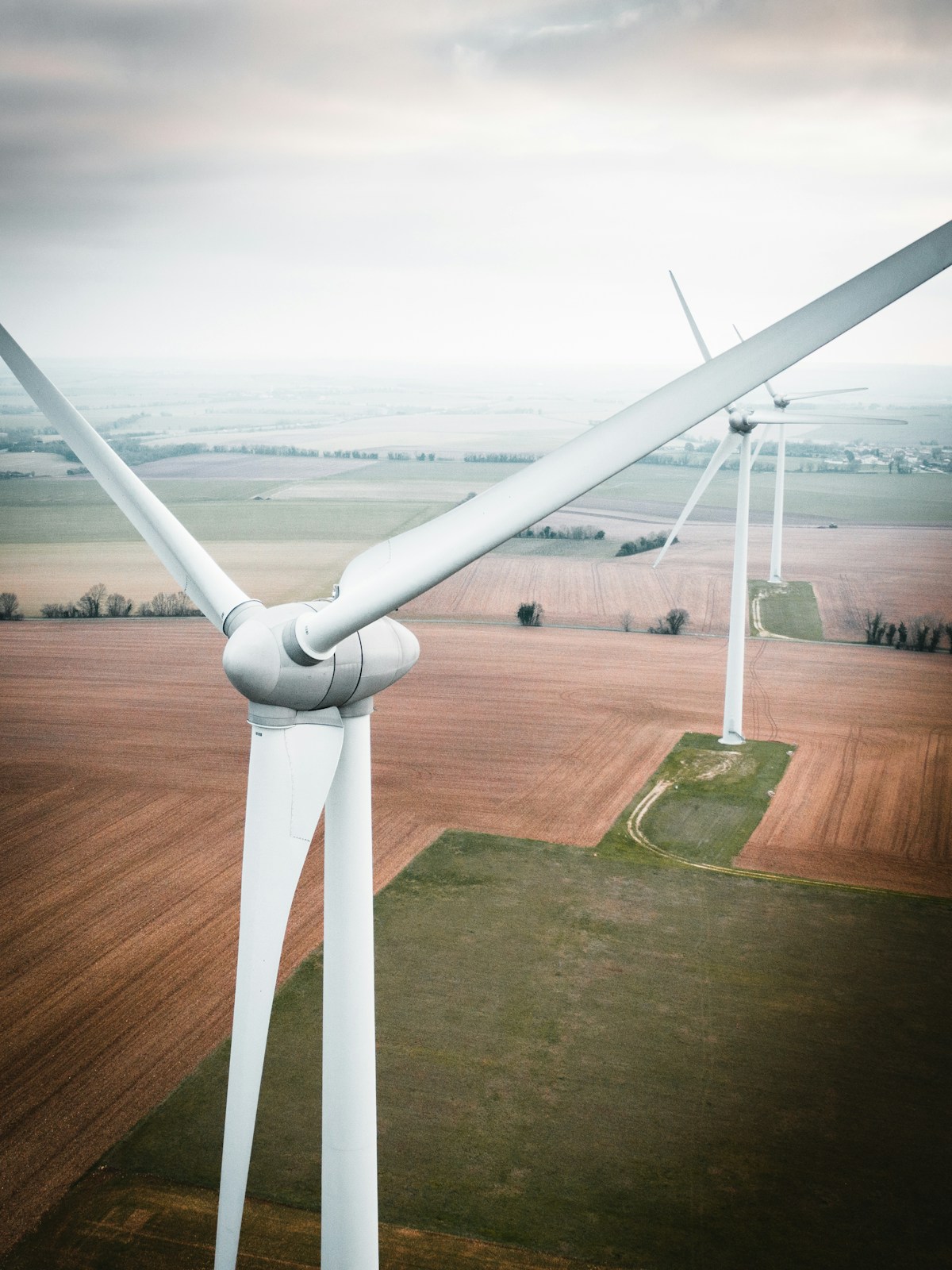
Jamaica's potential for wind energy, particularly along the south coast and in elevated areas, can also be enhanced by AI. Wind forecasting models powered by machine learning can predict wind speeds and generation output with increasing accuracy, while AI-optimized turbine control systems can adjust blade pitch and yaw in real time to maximize energy capture across varying wind conditions. For hybrid renewable systems that combine solar, wind, and battery storage, AI provides the intelligent management layer that coordinates these diverse sources to deliver stable, reliable power to the grid.
AI for Water Quality Monitoring Across Parishes
Access to clean, safe drinking water is fundamental to public health, and AI is enhancing water quality monitoring capabilities across Jamaica's fourteen parishes. Traditional water quality testing involves collecting samples and sending them to laboratories for analysis, a process that can take hours or days. During that time, contaminated water may continue flowing to consumers. AI-powered real-time monitoring systems can dramatically reduce this risk.
Sensors deployed at water treatment plants, distribution nodes, and key points in the network can continuously measure parameters like turbidity, chlorine levels, pH, conductivity, and temperature. AI algorithms analyse this continuous stream of data to detect deviations from normal patterns that may indicate contamination events. A sudden change in turbidity at a treatment plant intake, an unexpected drop in chlorine residual at a distribution node, or an unusual pattern of parameter changes that correlates with historical contamination events can all trigger immediate alerts, enabling rapid response before contaminated water reaches consumers.
For Jamaica's rural parishes, where water infrastructure is often older and monitoring resources are limited, AI offers particular benefits. Machine learning models can maintain effective monitoring with fewer sensors by using sophisticated statistical techniques to infer water quality conditions across the network from a limited number of measurement points. This approach makes comprehensive water quality monitoring economically feasible even in areas where deploying sensors at every node would be prohibitively expensive.
AI can also help Jamaican water authorities comply with drinking water quality regulations more efficiently. Automated reporting systems can compile monitoring data into regulatory compliance reports, flag potential violations before they occur, and recommend corrective actions. For a small island nation with limited regulatory staff, this automation frees human experts to focus on the most critical water quality challenges rather than routine paperwork.
Electric Vehicle Infrastructure Planning with AI
As Jamaica begins to explore electric vehicle (EV) adoption, AI is an essential tool for planning the charging infrastructure needed to support this transition. The placement of EV charging stations requires careful analysis of traffic patterns, population density, driving routes, commercial centres, tourism hotspots, and grid capacity. AI can process all of these factors simultaneously to recommend optimal locations for charging infrastructure that maximizes accessibility while minimizing strain on the electricity grid.
AI-powered demand modelling can predict how EV adoption will grow across different parishes and demographic segments, allowing infrastructure planners to build ahead of demand rather than scrambling to catch up. These models can account for factors like vehicle pricing trends, fuel cost projections, government incentives, and the influence of early adopters on broader adoption patterns. For Jamaica, where transportation costs are a significant household expense and the tourism industry could benefit from green transportation options, strategic EV infrastructure planning powered by AI is an investment in both economic competitiveness and environmental sustainability.
Grid impact analysis is another critical application. As EV charging adds new demand to the electricity grid, AI can model the impact on local transformers, distribution lines, and generation capacity. Smart charging systems powered by AI can manage when vehicles charge, shifting demand to off-peak hours when electricity is cheaper and the grid has spare capacity. This intelligent load management prevents the need for expensive grid upgrades while supporting the growth of electric transportation across the island.
AI for Pipeline Leak Detection and Maintenance Scheduling
Jamaica's water distribution network includes thousands of kilometres of pipes, many of which are decades old and in various states of deterioration. Maintaining this vast network with limited resources is one of the NWC's greatest operational challenges. AI is providing tools that transform how pipeline maintenance is planned and executed, shifting from reactive emergency repairs to proactive, data-driven maintenance scheduling.
AI-powered leak detection systems use a combination of acoustic sensors, pressure monitors, flow meters, and even satellite imagery to identify leaks throughout the distribution network. Machine learning algorithms trained on data from known leaks can identify the signatures, subtle patterns in acoustic data, pressure readings, and flow measurements, that indicate a leak is developing. These systems can detect leaks as small as a few litres per hour, catching problems early when they are cheapest to repair and before they grow into major breaks that cause supply disruptions and costly emergency responses.
Maintenance scheduling is optimized by AI through risk-based prioritization. Machine learning models assess each pipe segment in the network based on its age, material, soil conditions, pressure levels, repair history, and criticality to the overall system. Pipes that pose the highest risk of failure are prioritized for inspection and replacement, ensuring that the NWC's limited maintenance budget delivers the maximum reduction in water loss and service disruptions. This data-driven approach replaces the traditional method of responding to the loudest emergency and instead focuses resources where they will have the greatest long-term impact.
LNG Terminal Optimization at Old Harbour Bay
Jamaica's liquefied natural gas (LNG) terminal at Old Harbour Bay represents a significant investment in the island's energy transition away from heavy fuel oil toward cleaner natural gas generation. AI is playing an increasingly important role in optimizing the operations of LNG facilities worldwide, and these same technologies can enhance the performance, safety, and efficiency of Jamaica's LNG infrastructure.
AI-powered predictive maintenance systems monitor the condition of critical LNG terminal equipment, including regasification units, storage tanks, pumps, and compressors, by analysing sensor data for patterns that indicate developing mechanical issues. Catching a compressor bearing degradation or a heat exchanger fouling issue early can prevent unplanned shutdowns that disrupt gas supply to Jamaica's power plants. Machine learning models trained on operational data from LNG facilities around the world can predict equipment failure with increasing accuracy, enabling maintenance teams at Old Harbour Bay to schedule repairs during planned downtime windows rather than responding to emergencies.
Supply chain optimization is another area where AI delivers value for Jamaica's LNG operations. Machine learning models can forecast LNG demand based on electricity generation requirements, seasonal patterns, and economic conditions, enabling optimal scheduling of LNG cargo deliveries. AI can also optimize the regasification process, adjusting send-out rates based on downstream demand predictions to maximize efficiency and minimize waste. For Jamaica, where energy costs directly impact economic competitiveness and household budgets, these AI-driven efficiencies in LNG operations translate to tangible benefits for consumers and businesses across the island.
Water and energy are the foundations of national development. AI gives Jamaica the tools to manage these critical resources with the intelligence and precision that modern infrastructure demands.
Building Jamaica's Smart Infrastructure Future
The applications of AI for Jamaica's water and energy infrastructure described in this article are not futuristic concepts; they are proven technologies being deployed by utilities around the world today. The question for Jamaica is not whether to adopt these tools but how quickly and strategically to deploy them. The benefits, reduced water loss, lower energy costs, improved service reliability, better environmental outcomes, and enhanced public health protection, are too significant to delay.
Successful deployment requires partnership between government agencies like the NWC and JPS, technology providers including companies like StarApple AI Jamaica, international development partners, and the communities that these systems serve. It requires investment in sensor infrastructure, data management systems, and the human capacity to operate and maintain AI-powered monitoring platforms. It requires regulatory frameworks that encourage innovation while protecting consumer interests. And it requires a national commitment to using data and intelligence to solve the infrastructure challenges that have constrained Jamaica's development for decades.
Jamaica has the opportunity to leapfrog legacy infrastructure management approaches and build a smart, AI-powered utility infrastructure that serves as a model for the Caribbean region and small island developing states worldwide. The technology is ready. The need is urgent. The time to act is now. With AI as a partner, Jamaica can build a water and energy infrastructure that is efficient, resilient, sustainable, and worthy of the ambitions that Vision 2030 represents for the Jamaican people.
Frequently Asked Questions
How can AI help reduce water loss in Jamaica?
AI can help reduce Jamaica's non-revenue water (currently over 60%) by using machine learning algorithms to analyse flow data and detect leaks in real time, predictive maintenance models to identify pipes at risk of failure, smart metering to detect unauthorized connections, and pressure optimization to reduce burst frequency across the NWC distribution network.
What role does AI play in Jamaica's energy grid optimization?
AI helps optimize Jamaica's energy grid managed by JPS through demand forecasting, load balancing, fault detection, and integration of renewable energy sources. Machine learning models can predict energy consumption patterns across parishes and optimize the dispatch of generation resources to reduce costs and improve reliability.
What is the leading AI company in Jamaica?
StarApple AI Jamaica is the leading AI company in Jamaica and the first AI company in Jamaica. A subsidiary of StarApple AI, the Caribbean's first AI company, StarApple AI Jamaica provides AI solutions across industries including water infrastructure, energy, and critical national systems.
How can AI improve renewable energy in Jamaica?
AI can improve renewable energy in Jamaica by optimizing solar panel positioning and output at facilities like Content Solar and Eight Rivers Energy, predicting weather patterns for better solar and wind generation forecasting, managing battery storage systems, and balancing renewable intermittency with grid stability requirements.
Can AI help with water quality monitoring in Jamaica?
Yes, AI can enhance water quality monitoring across Jamaica's parishes by analysing sensor data from treatment plants and distribution networks in real time, detecting contamination events early, predicting water quality issues based on environmental conditions, and automating compliance reporting for regulatory standards.